
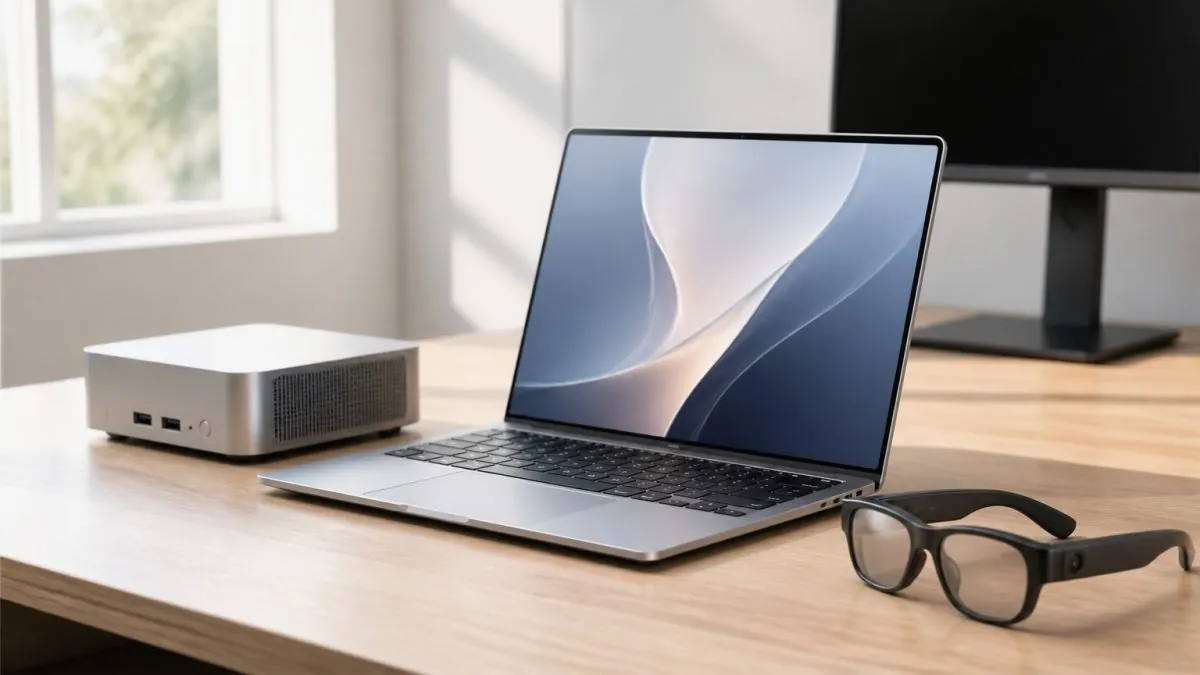
What Drives a Hardware Refresh in 2026
Hardware buying in 2026 is shaped by three forces: aging installed bases, AI-ready expectations, and hybrid working patterns that are now permanent. Businesses and individuals are asking whether their current laptop, mini pc, or smart glasses still make sense for the way they actually work, and that question is driving a steady refresh cycle across the market. For resellers and wholesalers, the upgrade cycle is not a one-off event; it is a repeating pattern that rewards those who plan their stock around it.
Laptops: AI-Ready Specs Move into the Mainstream
The laptop refresh is no longer only about processor generations. Buyers now look for neural processing units, longer battery life, and memory that can handle local AI features. A laptop that runs AI-assisted productivity tools smoothly is becoming the default request, especially for professionals who move between home and office. For resellers, this means highlighting AI-ready specifications rather than raw benchmark numbers alone, because customers are increasingly shopping for what a machine can do, not just how fast its clock speed looks on paper.
What to Check in an AI-Ready Laptop
- Dedicated AI acceleration and the software ecosystem around it
- Battery life that survives a full working day away from power
- Memory and storage that leave room for local models and large files
- Display quality for video calls and long reading sessions
Mini PCs: Quiet Power for the Hybrid Office
Mini PCs continue to earn their place in the upgrade cycle. They deliver desktop-level performance in a footprint that fits behind a monitor, which makes them popular for fixed desks, reception areas, and office fleets. Energy efficiency and low noise appeal to businesses replacing older towers, and the growing range of configurations helps buyers match a machine to a specific job, from light office work to more demanding tasks. Because a mini pc can often outlive two laptop cycles in a fixed position, it is an attractive option for budget-conscious organizations.
AI Glasses: From Pilot Projects to Practical Use
AI glasses moved from novelty to practical tooling in 2026. Use cases such as hands-free guidance, translation assistance, and real-time information display are appearing in logistics, field service, and education. Adoption is still early, but buyers are evaluating compatibility with existing devices and software before committing. Early movers are testing limited deployments rather than waiting for the category to mature, which keeps the segment interesting for forward-looking resellers who want to be ready when demand broadens.
Planning Your 2026 Product Mix
For resellers and wholesalers, the upgrade cycle creates clear opportunities. A balanced range that covers AI-ready laptops, versatile mini pcs, and a small but growing selection of AI glasses lets you serve both mainstream refreshes and early adopters. Matching devices to use cases, such as recommending a mini pc for fixed desks and a laptop for mobile staff, builds trust and encourages repeat business. The key is to keep a practical spread of price points so that every budget finds a sensible option.
How RunCK Supports Resellers Through the Upgrade Cycle
RunCK works with wholesale and reseller partners across laptops, mini pcs, and AI glasses. We help you plan product ranges, understand specification differences, and arrange samples before larger orders. Whether you are refreshing an existing lineup or entering a new category, our team can discuss configuration options, packaging, and delivery schedules that fit your market.
Position Your Stock for the Next Cycle
The 2026 hardware upgrade trend is clear: buyers want AI-ready laptops, efficient mini pcs, and practical AI glasses. By planning your mix around these themes, you can turn the refresh cycle into predictable demand rather than guesswork. Start with the categories that fit your customers best, verify demand with small orders, and scale as the cycle picks up speed.
